
Want to hear the latest episodes? Follow You Are My Witnesses on any of the following platforms:
Current Episode
The Torah’s Prophetic Picture
The Final Atonement in Jesus
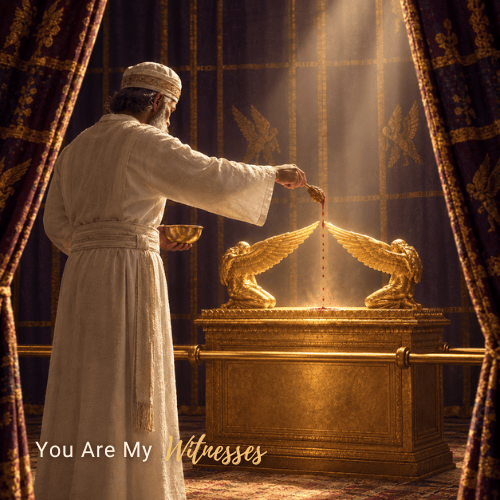
The biblical calendar brings us to one of the most significant days of the year: Yom Kippur, the Day of Atonement. Known as the holiest day on Israel’s calendar, it was the one day each year when the high priest could enter the Most Holy Place and make atonement for the people. This was not an ordinary ceremony. It was a sacred appointment when God provided a way for His people to be purified, forgiven, and restored to His presence. But Yom Kippur was never meant to be the end of the story. Hidden within its sacrifices was a prophetic picture of something greater: Jesus, our final atonement.
The Holiest Day
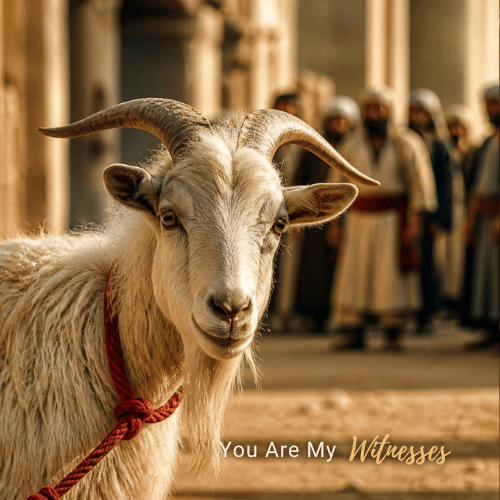
Yom Kippur was the only day of the year when the high priest could enter the Holy of Holies, the special room in the Tabernacle and later the Temple where God’s presence dwelt. He did not enter casually or according to his own preferences. He entered according to God’s instructions, carrying the blood of a sacrifice and making atonement for the sins of the people. Leviticus 16 describes a ceremony involving two goats. The high priest would cast lots: one goat would be designated for the Lord, and the other would be the scapegoat. These two goats would serve different purposes, but together they would give Israel a picture of purification, atonement, and the removal of sin.
Sin is not merely a mistake on a list. It creates separation from God and damages our relationships with one another. Yom Kippur was God’s appointed way of dealing with that separation. It revealed both the seriousness of sin and the mercy of a God who was making a way for His people to draw near.
Bring the Fall Feasts Into Your Home

If you want to go deeper with your family into this season, I’ve created a Fall Feasts Guide for Families—an easy-to-follow ebook that walks you through the meaning and beauty of the Feast of Trumpets (Yom Teruah), the Day of Atonement (Yom Kippur), and the Feast of Tabernacles (Sukkot).
This guide is designed to help you not just learn about the feasts, but to experience them together as a family in a meaningful, Christ-centered way.
Grab the guide and step into the rhythm of God’s appointed times with intention and joy.
The Goat for the Lord
The first goat was sacrificed as a sin offering. Leviticus 16:15–16 says that Aaron was to slaughter the goat, carry its blood behind the inner curtain, and sprinkle it over the atonement cover and in front of it. Through this process, he would purify the Most Holy Place and the Tabernacle because of the defiling sin and rebellion of the Israelites.
The purpose of the sin offering was purification. It restored ritual purity so that the people could occupy sacred space and draw near to God’s presence. Think about the significance of that. God was making a way for His people to come near. Sin had defiled what was holy, but God provided a means of purification. He was not leaving His people in separation. He was making a way for them to be restored.
And this is where we begin to see the beauty of what Jesus has done. The blood of the sacrifice pointed toward the One whose blood would do what animal sacrifices could never accomplish permanently.
There is a way back because Jesus is the way.
The Scapegoat: Sin Carried Away
The second goat was the scapegoat. Leviticus 16:20–22 says that Aaron would lay both hands on the goat’s head and confess over it all the wickedness, rebellion, and sins of the people of Israel. In this way, the people’s sins would be transferred to the goat. Then a man specially chosen for the task would drive the goat into the wilderness. As the goat went into the wilderness, it would carry all the people’s sins into a desolate land.
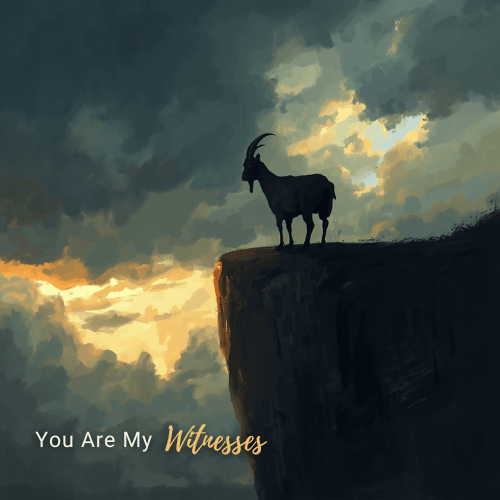
What a picture. One goat was sacrificed, and its blood was used for purification. The other goat carried the sins of the people away. Purification and removal. Atonement and separation from sin. The ceremony was declaring that God was making a way for His people to be cleansed and for their sins to be carried away.
The scapegoat reminds us that God’s desire is not simply to expose our sin, but to deal with it. He does not want us to remain bound to the guilt and shame of our past. He provides a way for sin to be removed, for the burden to be carried away, and for His people to walk in freedom.
Redemption: Restored to God and to One Another
The Day of Atonement was a moment when Israel could be restored vertically to God and horizontally to one another. Sin had created separation, but God provided a way for that separation to be addressed. Yet the sacrifices of Yom Kippur were not the end of the story. They pointed forward to something greater.
They pointed forward to Jesus, our final atonement.
Jesus did not come merely to cover our sin temporarily. He came to deal with sin once and for all. He made us right with God by sacrificing His own life. And because we have been forgiven, we are also called to extend forgiveness to others.

This is one of the powerful invitations of Yom Kippur: Have you received the forgiveness of God, and are you willing to extend that forgiveness to others? We cannot fully embrace the freedom Christ has given us while continuing to hold others in the prison of unforgiveness. The One who carried our sin is also the One who calls us to release the sins of others.
This does not mean that every relationship will be restored or that we ignore injustice. But it does mean that we surrender our right to hold on to bitterness and revenge, placing those things in the hands of the One who judges righteously.
Jesus Bore Our Sins in His Own Body
First Peter 2:24 says:
“He himself bore our sins” in his body on the cross, so that we might die to sins and live for righteousness; “by his wounds you have been healed.”
Jesus personally carried our sins. Just as the scapegoat carried the sins of Israel into the wilderness, Jesus bore our sins in His own body on the cross.
But there is a difference that changes everything.
The scapegoat was sent away into the wilderness. Jesus went to the cross willingly. He did not merely carry a symbol of sin. He bore the actual weight of our sin. And He did it so that we could be dead to sin and live for what is right.
The purpose of atonement is not simply that we feel forgiven. It is that we are set free to live differently. We are not forgiven so that we can return to the same bondage. We are forgiven so that we can walk in newness of life.
Jesus Tasted Death for Everyone
Hebrews 2:9 says:
“Because he suffered death for us, he is now ‘crowned with glory and honor.’ Yes, by God’s grace, Jesus tasted death for everyone.”
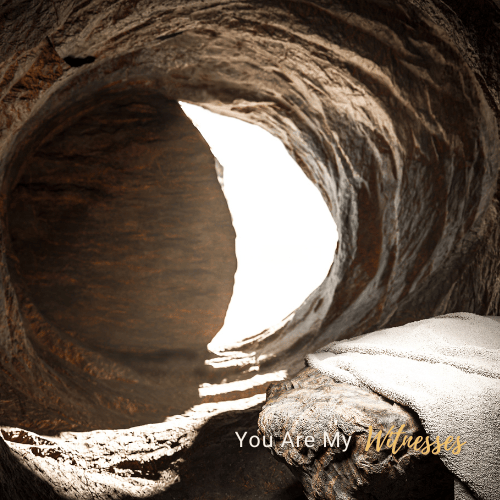
Jesus tasted death for everyone. He entered into the place of suffering and death on our behalf. The high priest entered the Holy of Holies once a year, but Jesus entered the greater, heavenly reality of God’s presence. And He did not do it with the blood of an animal. He did it with His own blood.
This is the mystery and majesty of the gospel: the One who is holy entered into our brokenness so that we could be brought near to God.
A Better Sacrifice
Hebrews 9:11–14 gives us one of the clearest pictures of Jesus as our High Priest:
“So Christ has now become the High Priest over all the good things that have come. He has entered that greater, more perfect Tabernacle in heaven, which was not made by human hands and is not part of this created world. With his own blood—not the blood of goats and calves—he entered the Most Holy Place once for all time and secured our redemption forever.”
Once for all time.
That is the difference.
The sacrifices of Yom Kippur had to be repeated. They pointed toward the need for a greater sacrifice. But Jesus offered Himself once for all. His sacrifice was permanent. It was voluntary. And it did not merely cover sin temporarily. It secured our redemption forever.
The blood of goats and calves could not accomplish what the blood of Jesus accomplished. Jesus is our atonement. He is our High Priest. He is the One who entered the Most Holy Place on our behalf. He is the One who carried our sins. He is the One who tasted death for us. And He is the One who secured our redemption forever.
The Invitation of Yom Kippur
So what does Yom Kippur invite us to do today?
First, it invites us to draw near to God through Jesus. We do not have to remain separated from Him. Jesus has made a way.
Second, it invites us to receive the forgiveness He has provided. We do not have to continue carrying the weight of sins that He has already carried.
Third, it invites us to extend forgiveness to others. If Jesus has carried our sins, then we must be willing to release others from the debts we have been holding against them. We surrender bitterness, resentment, and revenge to the One who judges righteously.
And finally, Yom Kippur invites us to live as people who have been redeemed. We are not simply people who have been forgiven. We are people who have been called out of darkness and into His marvelous light. We are His witnesses.
Looking Toward Complete Redemption
Yom Kippur also points prophetically toward the day when all Israel will be saved and every nation will worship Yahweh, the only true God. The story is moving toward complete redemption, complete reconciliation, and complete restoration.
What began as a sacred appointment in the Tabernacle points us toward the finished work of Christ and the hope of the coming Kingdom. The God who made a way for His people to draw near is the same God who will one day bring His redemption to its fullness.
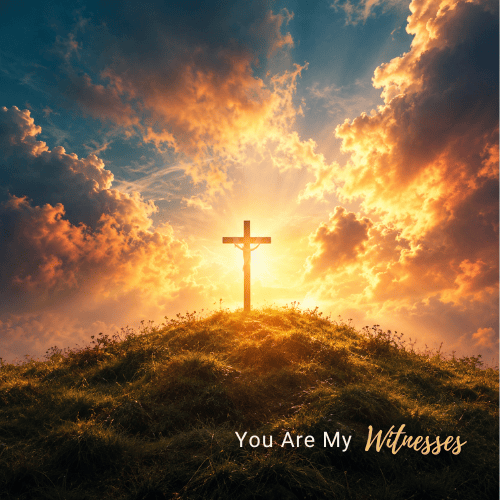
Until then, we live as people who have received mercy, who have been cleansed by the blood of Jesus, and who are called to make His name known.
The Day of Atonement points to the One who became our atonement.
Discovering the Hebrew Months Newsletter
Understanding the Times and Seasons
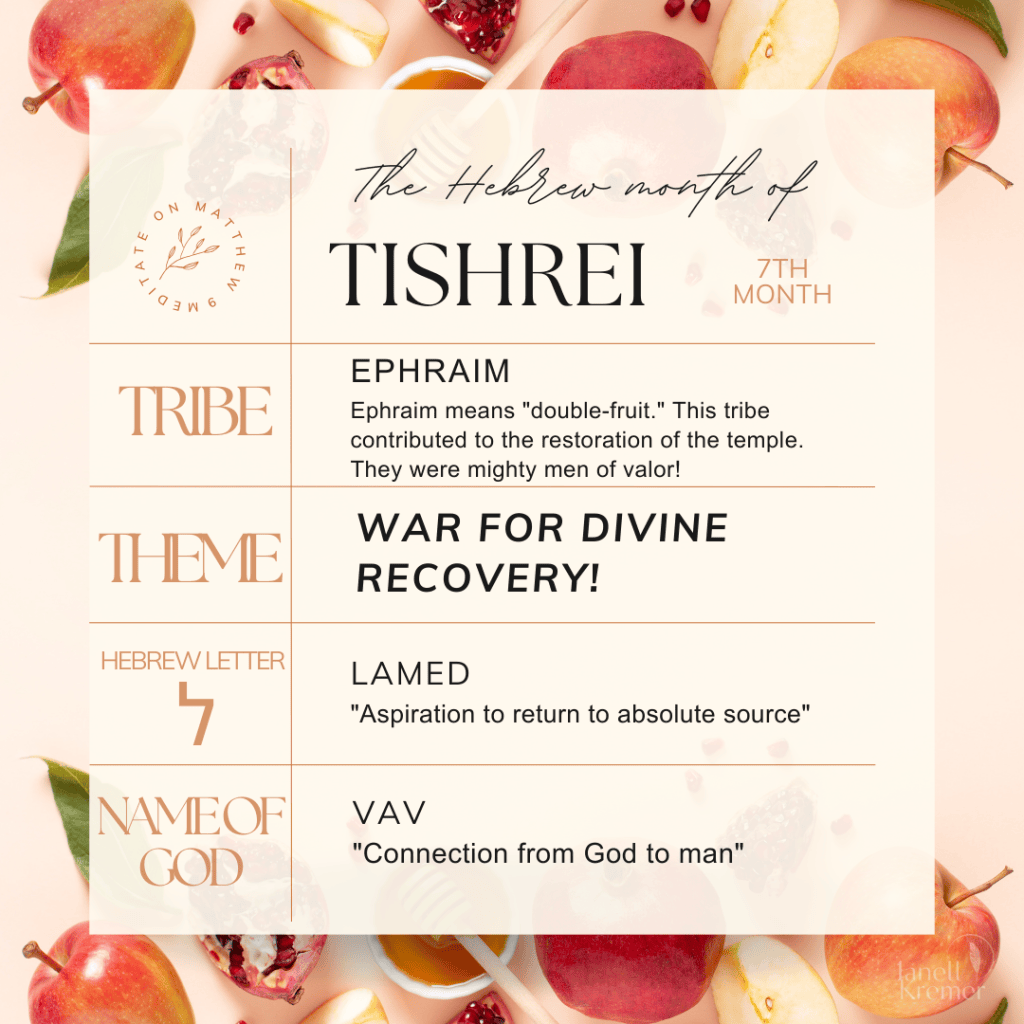
Become a Steward of Time
Discovering the Hebrew months helps you see how the Old Testament points to Jesus and discern God’s timing, so you can stay aligned with His Spirit.
Click here to subscribe.
Subscribe below to get updates on new episodes:
*Music by LiteSaturation, Music Unlimited, soundbay, and Silentvoice from Pixabay


Leave a comment